Broker Check
Our September 2026 Newsletter: Preserving Wealth for an Aging America

Our September 2026 Newsletter: Preserving Wealth for an Aging America

September 04, 2026

Preserving Wealth for an Aging America: A Caregiver's Guide to Safeguarding Your Aging Parent's Finances and Future

“Dementia is an overall term for a particular group of symptoms. The characteristic symptoms of dementia are difficulties with memory, language, problem-solving and other thinking skills. Dementia has several causes. Alzheimer’s disease is one cause of dementia.” — Alzheimer’s Association®

“I can think of no other condition [dementia] that places such a heavy burden on society, families, and communities, and, of course, the economy.” – Dr. Margaret Chan, Director-General, World Health Organization

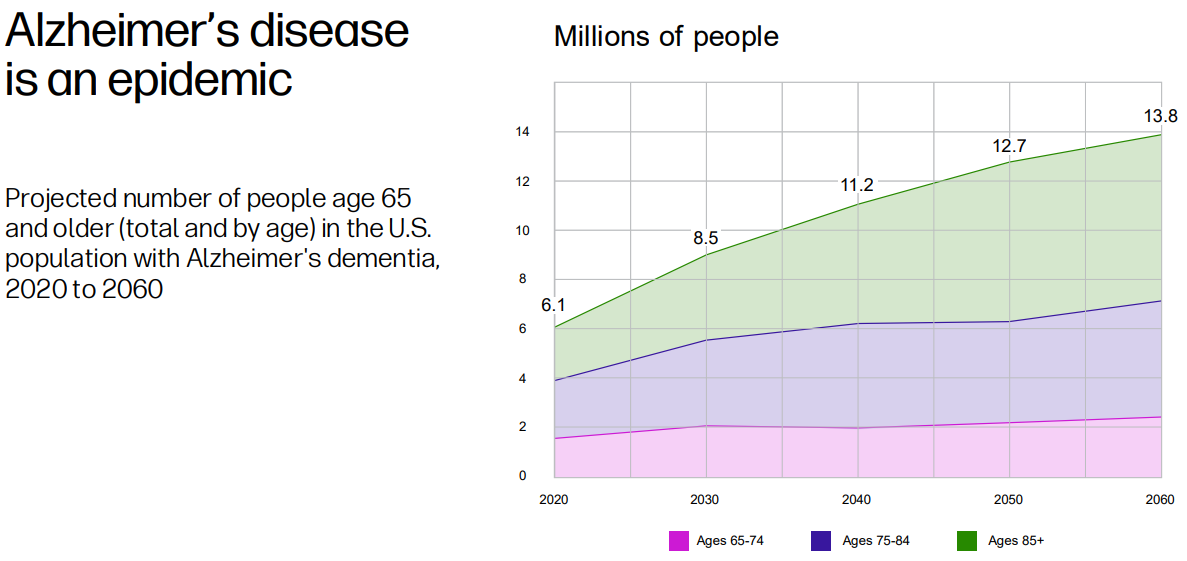
Alzheimer’s disease and other forms of dementia are becoming increasingly common as the population ages. Dementia affects memory, judgment, decision-making, problem-solving, and the ability to manage finances independently. Because the disease is progressive and currently has no cure or way to slow its progression, early planning is critical.

2025 Alzheimer’s Disease Facts and Figures,“ Alzheimer’s Association, 2025

Warning Signs Families Should Watch For

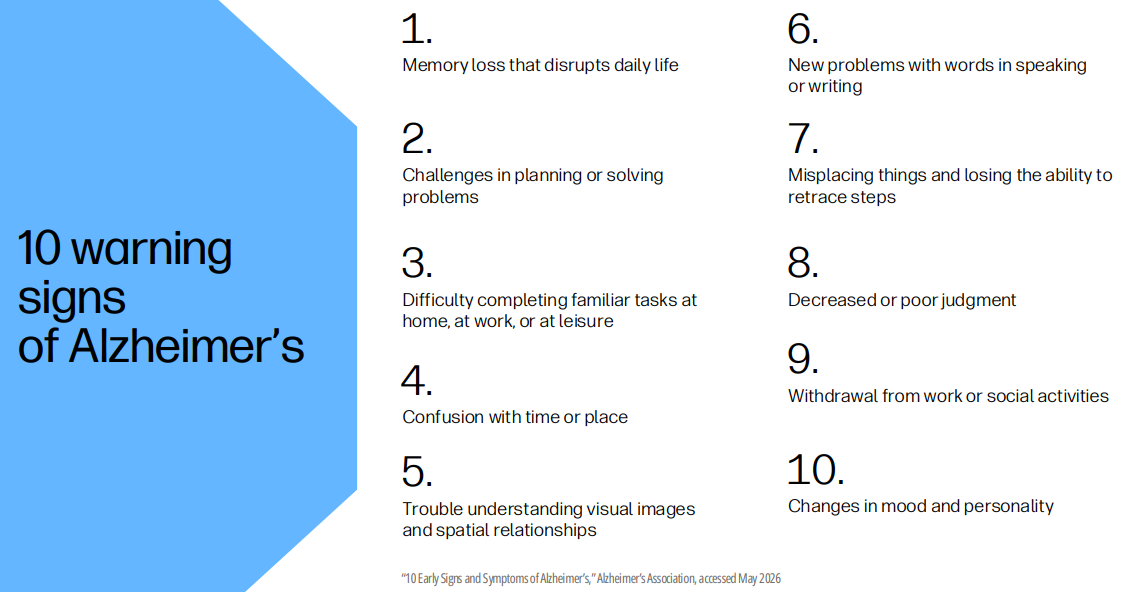
While occasional forgetfulness can be a normal part of aging, dementia often involves more significant changes, including:

  • Difficulty managing bills or budgets
  • Poor judgment and decision-making
  • Memory loss that disrupts daily life
  • Confusion about dates, times, or locations
  • Problems completing familiar tasks
  • Misplacing items and being unable to retrace steps
  • Changes in personality, mood, or social engagement

“10 Early Signs and Symptoms of Alzheimer’s,” Alzheimer’s Association, accessed May 2026

Start Conversations Early

One of the biggest challenges for families is discussing cognitive decline with a parent. Approaching these conversations with empathy will make them easier:

  • Acknowledge that your parent may already sense something is wrong.
  • Listen to and validate concerns.
  • Emphasize that you want to help honor their wishes.
  • Encourage involvement of trusted family members or contacts.
  • Discuss medical evaluation if concerns arise

Planning Before a Crisis Occurs

The best time to prepare is during the early stages of decline, when your parent can still clearly communicate preferences and complete legal documents. These documents allow trusted individuals to make financial and medical decisions if a parent becomes unable to do so. Recommended actions include:

Review

  • Estate planning documents
  • Beneficiary designations
  • Existing financial accounts and ownership structures

Put Key Documents in Place

  • Durable financial power of attorney
  • Healthcare power of attorney
  • Living will or advance healthcare directive

Understanding the Stages of Care

As dementia progresses, responsibilities gradually shift from the affected individual to caregivers.

Mild Decline

Parents may still participate in decisions but should begin discussing finances, caregiving preferences, and future living arrangements with family members.

Moderate Decline

Adult children or other designated agents often become more involved in managing finances and coordinating care as decision-making abilities decline.

Severe Decline

Family members or legally appointed representatives typically make most decisions. Without proper planning, court-appointed guardianship may become necessary.

Five Financial Areas Every Caregiver Should Address

1. Wishes and Intentions

Talk with your parent about:

  • Future living arrangements
  • Medical care preferences
  • Who they want making decisions on their behalf

2. Assets

Create a complete inventory of:

  • Bank and investment accounts
  • Real estate
  • Personal property
  • Retirement assets

It is important to note that asset transfers generally must occurfive yearsbefore applying for Medicaid benefits.

3. Income and Insurance

Identify all sources of income, such as:

  • Social Security
  • Pensions
  • Annuities
  • Disability benefits
  • Review healthcare and long-term care insurance to understand what dementia-related services may be covered and where gaps exist.

4. Banking and Administration

People with dementia often need assistance with:

  • Paying bills
  • Monitoring accounts
  • Tracking expenses

Helpful tools may include:

  • Direct deposit
  • Automatic bill pay
  • Overdraft protection
  • Account alerts
  • Assistance from a trusted family member or money-management service

5. Care Management

Discuss long-term care preferences, including:

  • Aging at home
  • Assisted living
  • Skilled nursing care

Families should also evaluate the financial impact of caregiving and determine who will provide care and how it will be funded.

Protect Against Financial Exploitation

People living with dementia are particularly vulnerable to scams, fraud, and financial abuse. Families should:

  • Monitor accounts regularly.
  • Establish trusted contacts.
  • Maintain organized records.
  • Watch for unusual spending patterns or transactions.
  • Involve professional advisors and attorneys when appropriate.

Key Takeaway for Adult Children

The most important message for families facing dementia is simple:don't wait for a crisis.Early planning allows aging parents to participate in important conversations about their wishes, complete legal documents, organize their finances, and establish caregiving plans before cognitive decline progresses. Taking these steps early can help provide confidence, safeguard assets, avoid difficult decisions later, and ensure that care aligns with a parent's preferences as the disease advances. Dementia is a progressive condition, making proactive planning one of the most valuable gifts families can give themselves and their loved ones.

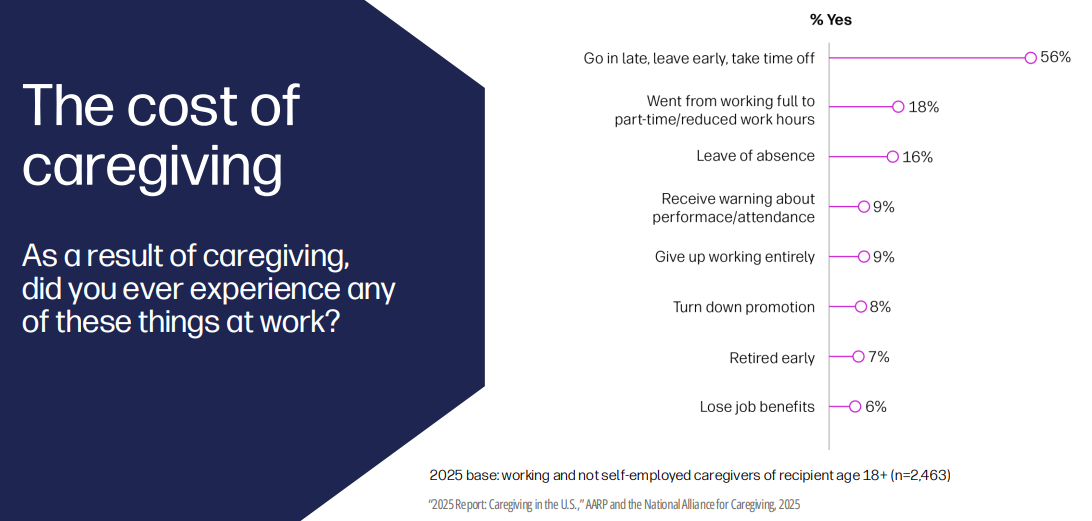
This preparation is especially important given the realities facing today's caregivers. According toCaregiving in the U.S. 2025(a report released by AARP and the National Alliance for Caregiving) nearly one in four caregivers provides more than 40 hours of care each week, and one-third have been caregiving for five years or longer. Many are part of the "sandwich generation," balancing the demands of caring for an aging parent while raising children and maintaining careers. Financial strain is common, with nearly half of caregivers reporting significant financial impacts, and most family caregivers continue to provide care without compensation. At the same time, six in ten caregivers are employed, and many experience workplace disruptions as they juggle caregiving responsibilities. As families navigate these challenges, having a coordinated financial, legal, and caregiving strategy in place can ease the burden, improve decision-making, and provide greater confidence throughout the caregiving journey.

“2025 Report: Caregiving in the U.S.,” AARP and the National Alliance for Caregiving, 2025

If you are an adult child taking care of, or expecting to eventually take care of, an aging parent (or relative), or an aging parent receiving help from your adult child and have questions about this planning process, Saratoga Financial Services is here to help. Feel free to call us to schedule a meeting to discuss your concerns at (518) 584-2555.

sources: Transamerica & aarp.com

How Learning Protects the Aging Brain

For generations, many people have assumed that cognitive decline is an unavoidable part of growing older. Yet emerging research suggests the opposite may be true. With the number of Americans age 65 and older expected to reach 82 million within the next 25 years, scientists are discovering that learning new skills, from speaking a foreign language to using digital technology, can help strengthen the brain, increase independence, and even reduce the risk of mental decline. Some studies have found that older adults who participate in intensive learning programs can improve memory and attention to levels comparable to people decades younger.

The stakes are higher than ever. Nearly 19% of Americans age 65 and older are still in the workforce, almost double the percentage from 35 years ago, while many others are navigating increasingly complex health care systems, financial tools, and technologies. At the same time, researchers have found that positive beliefs about aging are associated with better health and can even contribute to an average lifespan increase of 7.5 years. These findings are changing the way experts think about aging, challenging outdated stereotypes that suggest older adults are less capable of learning or adapting to change.

Thanks to the brain's remarkable ability to reorganize and form new connections, known as neuroplasticity, learning remains a powerful tool throughout life. Researchers are now using everything from language classes and tablet training to virtual reality experiences to help older adults build confidence, stay socially connected, and maintain cognitive health. Their work is revealing an encouraging message: the aging brain is far more adaptable than many people realize, and continued learning may be one of the most effective ways to protect it.

Clickhereto read the full American Psychological Association article “How Learning Protects the Aging Brain.”

13 Best Retirement Hobbies

Retirement can feel a bit like standing at the edge of a wide-open road with no map and nowhere you have to be by Monday morning. While that freedom is exciting, it can also leave many new retirees wondering,Now what?The good news is that retirement isn't about slowing down. It's about creating space for the things you've always wanted to do, whether that's learning something new, reconnecting with old passions, meeting interesting people, or simply spending more time doing what brings you joy.

The most fulfilling retirement hobbies often do more than just pass the time. They keep you moving, learning, creating, and connecting with others, all of which are linked to healthier and happier aging. After surveying more than 1,000 retirees, Road Scholar compiled a list of favorite pastimes that range from hiking and gardening to writing, photography, genealogy, and even learning a new language. Whether you're looking for adventure, purpose, friendship, or inspiration, these hobbies may help you discover that some of life's most rewarding experiences begin after retirement.

To read the full article “13 Best Retirement Hobbies” clickhere.

Did You Know: Social Security Facts

  • The Longevity Reality:
  • One out of three 65-year-olds will live until at least 90
  • One out of seven 65-year-olds will live until at least 95
  • A 65-year-old married couple has at least a 50-50 chance that one member will live beyond age 90
  • The very first monthly benefit check was received by Ida May Fuller in 1940 for $22.54.
  • Deciding when to collect:
  • Delaying benefits from 62 until age 70 represents about a 77% increase in monthly payments.
  • The average annual return on waiting can be better than investing. Between FRA (Full Retirement Age) and age 70, benefits increase by 8% each year you delay.
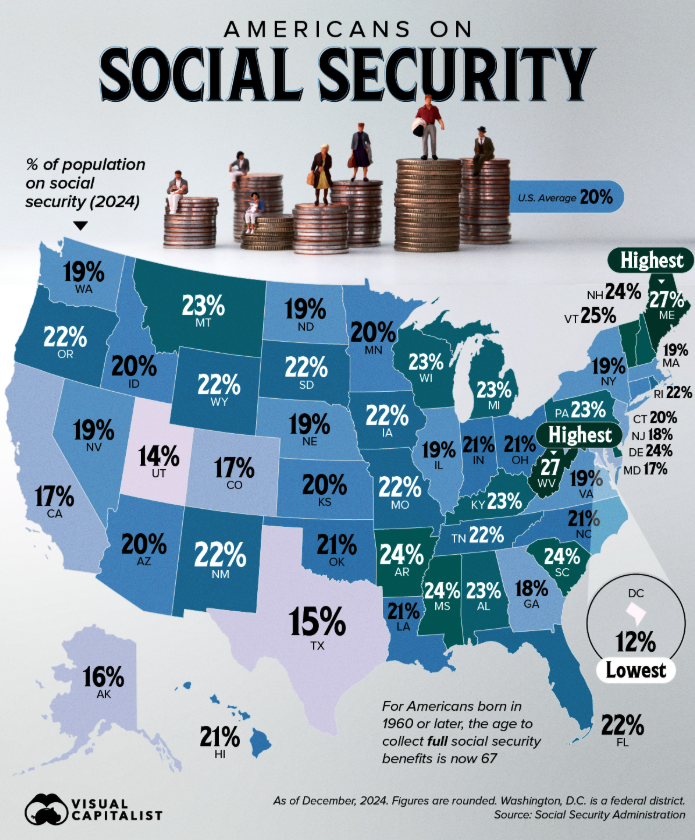
  • 72.9 million people received benefits from the Social Security Administration in 2024. The chart below shows the percentage of the US population by state receiving Social Security benefits in 2024.

Sources: Social Security Administration, Transamerica, & Visual Capitalist

Autumn Approaches, Saratoga!

Shorter days and cool mornings are a sure sign that autumn is fast approaching! Make sure you soak in the last bit of summer fun this month and jump right into all the fall fun that Saratoga Springs has to offer! Here are a few local events you may want to check out:

9/7: Closing Day of the Saratoga Race Course

9/17 – 9/20: Adirondack Balloon Festival

9/26: 2026 Fall Art in the Park

9/26: The 11thAnnual Saratoga Giant PumpkinFest

For the complete events calendar, clickhere